Slope Responsibility for New Skiers: Turn the Code Into Daily Decisions
Use the NSAA responsibility framework as a set of questions for instructors and staff, then make daily choices about terrain, signs, lifts and group plans without treating a checklist as skiing instruction. This original planning framework concerns a staffed, operating resort and was reviewed on October 18, 2026. Use the instructor's assessment, current signs and resort staff directions for the actual day. It does not teach skiing technique, navigation, avalanche decisions, rescue or equipment adjustment, and it does not guarantee that an activity, road or service is suitable or available.
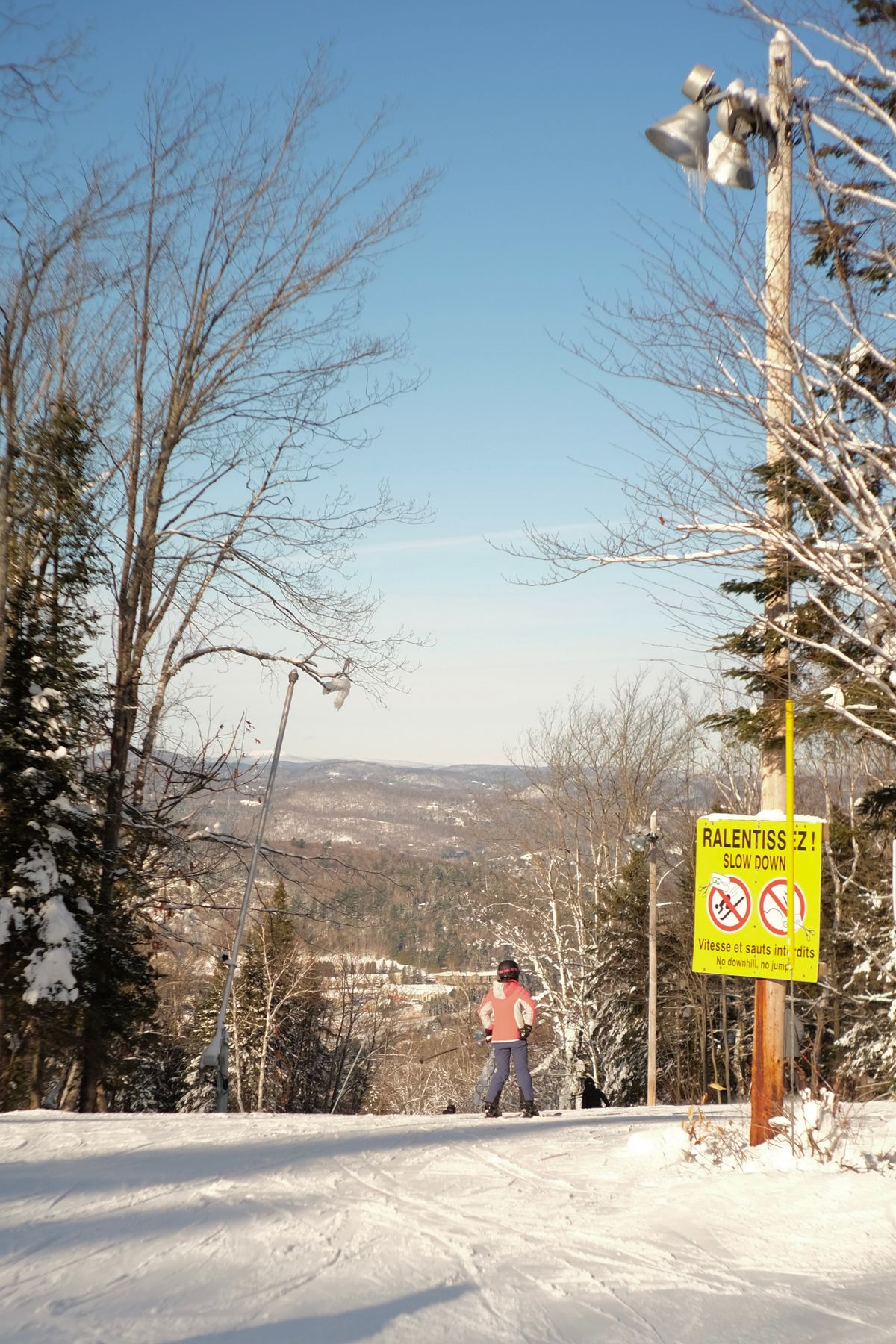
Photo: Pexels · Pexels License. Illustrative photograph of the subject; not a tested result, current condition report or endorsement. Display may crop the original.
Read the current code with an instructor
Start with NSAA's official Responsibility Code and ask a qualified instructor to explain anything you do not understand. Its subjects include control, other people, visibility, equipment, signs, closures, lifts, impairment and incident responsibilities. This guide does not reproduce the code or teach its physical application. Use the official source as the reference rather than a shortened social-media list.
Choose the learning plan rather than a color alone
Tell the instructor what you have actually done, what feels uncertain and what you want to learn. Ask how the day's activity will be selected and reassessed. A trail color or a friend's description does not establish that you can manage a particular situation. Keep instruction and current resort information ahead of a desire to match another person's itinerary.
Make signs an actual decision point
Before taking a lift or entering an area, pay attention to current signs and staff instructions. If you cannot understand a marking or are unsure whether it concerns your route, ask before proceeding. A saved trail map may help identify a question but does not override the physical closure or warning in front of you. Do not seek a shortcut around a restriction.
Ask about lifts before using them
Tell your instructor or lift staff if you are unfamiliar with the specific arrangement. Ask how the lesson handles the lift and where assistance is available rather than guessing from watching other passengers. This is a communication task, not a written loading or unloading tutorial. Do not turn an online explanation into proof that you can use the equipment independently.
Agree on appropriate meeting arrangements
Ask staff or your instructor to identify a suitable public meeting point for the group and a practical way to contact help. Avoid selecting a narrow trail location merely because it is photogenic. If companions have different plans, keep the beginner's route within the assessed instruction arrangement. A reunion should not require someone to use terrain or a lift they have not been prepared for.
Keep equipment and impairment concerns visible
Use rental professionals for equipment questions and report a concern instead of changing settings yourself. Keep the day free of choices that impair participation, and ask qualified advice if a personal medication or health issue affects your decision. A meal or social plan should not pressure a person to continue. The responsibility framework works only when a concern changes the actual plan.
Know the resort's help and incident process
Save the resort's current patrol or emergency contact and learn how to describe your location using its signs and named places. Ask what staff need after an incident and follow their instructions. Do not improvise injury assessment or rescue from a planning article. If the day's arrangement becomes unclear, communicate early rather than waiting for the group to discover a problem.
A worked plan you can adapt
A new skier's friends want to meet for lunch at another base. Before agreeing, the skier asks the instructor whether that meeting fits the assessed plan and how the connection would be handled. The group changes to a suitable staff-informed meeting point rather than expecting the beginner to follow a map independently. A confusing sign becomes a question for staff, and an equipment concern goes to the rental team. The skier keeps the resort's help contact and named location references available. This invented example is the practical value of responsibility: it changes a social schedule, prompts questions and supports conservative choices. It does not teach technique, guarantee terrain suitability or replace the official code and qualified instruction.
Your working checklist
Checkmarks stay in this browser when storage is available. They do not submit information or complete a purchase.
Put it into practice
- Read NSAA's official code and ask your instructor to explain unfamiliar points instead of relying on a shortened memory aid.
- Describe your real experience and concerns so the instructor can assess the day's learning plan and reassess it as needed.
- Use current physical signs and staff instructions as a decision point, asking before proceeding when a marking is unclear.
- Tell lift staff or your instructor when you are unfamiliar with an arrangement rather than using an online tutorial as proof of readiness.
- Choose a staff-informed meeting point that does not require a beginner to improvise an unassessed route.
- Take equipment concerns to rental professionals and keep personal impairment or suitability questions visible before continuing.
- Learn the actual resort help process and location references, then follow authorized staff directions if an incident or uncertainty occurs.
Before you finish
- The instructor or appropriate resort staff have answered any essential activity or route question.
- An alternative at the base or an earlier finish is practical rather than merely mentioned.
- Equipment concerns remain with qualified rental staff and no DIY settings are suggested.
- The final meeting, equipment return and transport plan are understood by everyone affected.
Common questions
Does reading the code teach me how to ski?
No. It is a responsibility framework. Physical skills and the assessment of an activity require qualified instruction and current resort guidance.
Is a familiar trail color enough to choose independently?
Do not use the color alone as proof of suitability. Discuss the actual conditions, experience and route with the instructor.
Can an online lift tutorial replace asking staff?
No. Communicate unfamiliarity to your instructor or lift attendant and follow the actual arrangement. This article provides no loading technique.
Should I adjust rental equipment to solve a concern?
Take the concern to the rental professionals and follow their process. This guide does not teach binding settings, equipment modification or repair.