Flying With Ski Equipment: Compare Airline Rules and Rental Alternatives
Flying with ski equipment can make sense for some travelers, while rental can be simpler for others. The decision depends on the actual route, fare, equipment and ground transfers. This guide is a verification workflow, not a universal allowance or fee list. Airline rules can change and differ by operating carrier, route and purchased product. Check current official policies and obtain clarification for your actual booking rather than relying on a remembered rule.
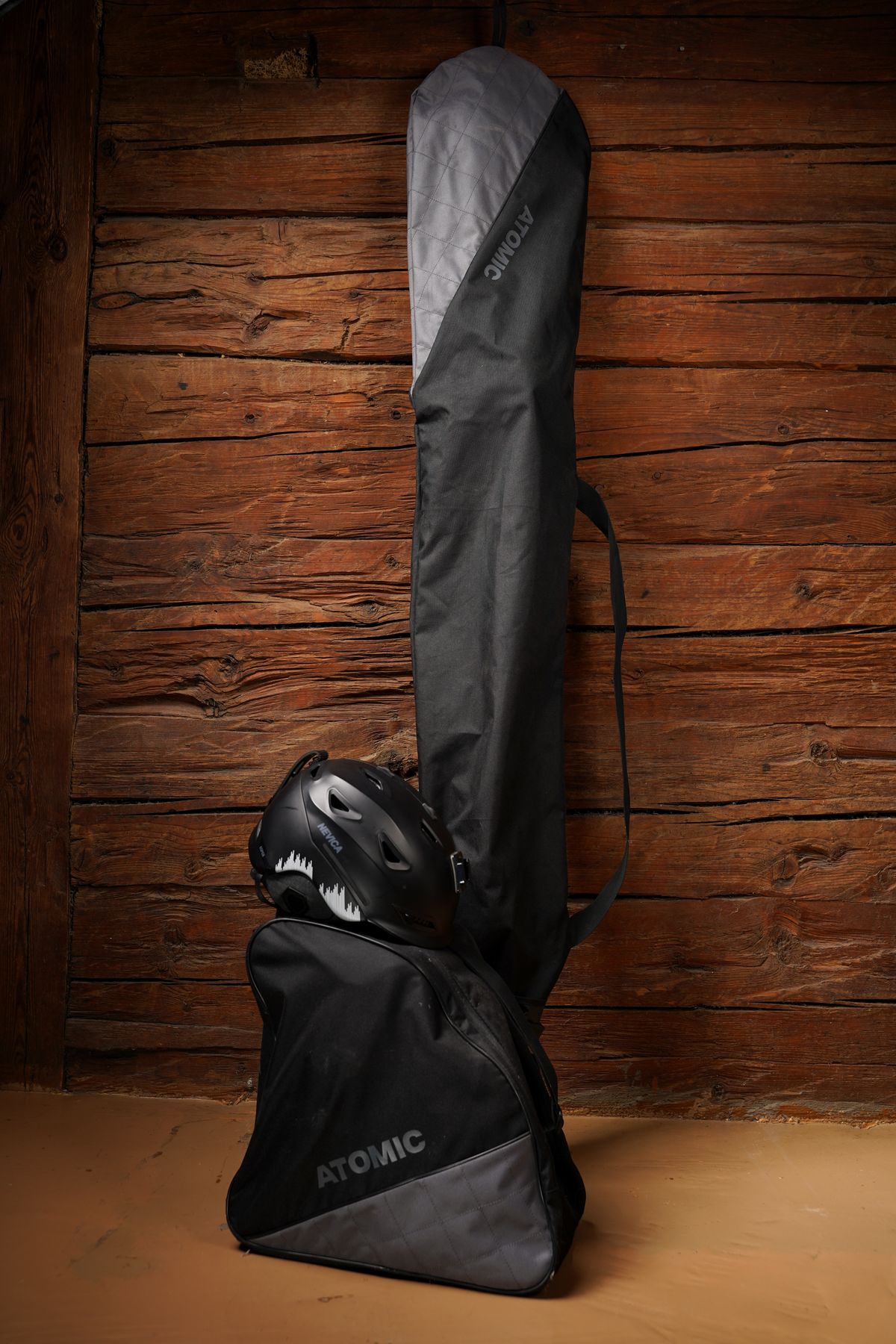
Photo: Pexels · Pexels License. Illustrative photograph of the subject; not a tested result, current condition report or endorsement. Display may crop the original.
List every operating carrier
Write the airline operating each flight, not only the brand selling the ticket. Include regional and connecting segments. Read the booking's baggage information and ask the relevant carrier how the policy applies to the complete itinerary. A rule shown for one airline does not establish acceptance by another operating a smaller onward service. Keep the answer with the reservation, particularly where equipment dimensions or special registration affect the trip.
Read the ski-equipment definition
Check what the carrier counts as one sports item, which components may be combined and how boots or other bags are treated. Do not assume a ski bag and boot bag always form one allowance. Record permitted contents, packing requirements and any restrictions exactly as published for your route. Avoid putting unrelated items into a sports bag merely to exploit a remembered rule; doing so may change its classification or acceptance.
Measure the packed equipment
Use the actual protective container and contents, then record dimensions and weight according to the carrier's method. Include handles or other features where required. Check registration, capacity and check-in instructions. A bag advertised as airline-friendly is not proof that every flight accepts it. If the operator needs advance notice, complete that process and keep confirmation. Do not wait at the airport to discover that a special-item request was only a provisional inquiry.
Obtain the current total for both directions
Use the official baggage calculator or the carrier's confirmed quotation for the actual fare and route. Include ordinary checked baggage, sports handling, weight or size consequences and any relevant payment conditions. Do not quote a universal fee from another destination or cabin. Check the return journey separately where policy or currency handling differs. Save the quotation date and conditions so a later fare or route change prompts another check.
Add ground handling to the comparison
Ask the airport transfer and lodging how the equipment will be carried and stored. A standard vehicle may not fit several long bags plus passengers and ordinary luggage. Include any required larger vehicle or storage service in the total. Trace the route through stations or shuttles with the packed equipment. A low airline charge can still produce an awkward holiday if the group cannot manage the bags through the final transfer.
Compare rental on equivalent terms
Ask the resort rental team about the actual equipment category, fitting appointment, collection, return and any included support. Compare the full rental period with the full cost of flying and ground handling. Do not assume a rental category guarantees a particular model unless confirmed. If using personal boots with rented equipment, discuss compatibility and fitting with the qualified rental staff. Do not adjust bindings or technical settings from an online checklist.
Prepare for delayed equipment
Keep documents, personal essentials and items that must remain accessible in appropriate luggage under carrier rules. Ask the rental provider about a possible backup, but label it a candidate until reserved. Read the airline's delayed-baggage process and relevant insurance terms without assuming every replacement cost will be reimbursed. Keep receipts and report issues through the proper channel. A backup plan is most useful when it identifies the next contact and a realistic first-day alternative.
Choose the route that supports the lesson
For a first trip, fitting time and reliable access to equipment can matter more than familiarity with a particular item. Compare the actual service and logistics rather than declaring ownership or rental universally superior. Save all confirmations, recheck after flight changes and leave enough arrival time for the chosen process. The equipment decision is complete when it supports the lesson and return journey without guessed allowances, fabricated charges or technical adjustments beyond your role.
Your working checklist
Checkmarks stay in this browser when storage is available. They do not submit information or complete a purchase.
Put it into practice
- List the operating carrier for every flight.
- Check how each policy defines ski equipment and combined bags.
- Measure the actual packed item.
- Complete any required registration and obtain the current full cost.
- Confirm vehicle capacity and equipment storage.
- Compare equivalent resort rental and fitting logistics.
- Save a delayed-bag response and recheck after route changes.
Before you finish
- No fee or allowance is generalized across airlines.
- The operating carrier is identified.
- Ground transport fits the actual bags.
- Technical equipment fitting remains with qualified staff.
Common questions
Do skis and boots always count as one bag?
No universal assumption is appropriate. Read the actual carrier's definition, permitted contents and conditions for your itinerary. Ask for clarification where the booking involves several operating airlines.
Can I use a fee quoted for another route?
Do not rely on it. Fare, cabin, route, bag count and policy can affect the total. Use the official calculator or a current confirmed quotation for both directions of your own trip.
Is renting always cheaper for beginners?
Not necessarily, but it may simplify transport and fitting. Compare the complete rental period with airline charges, ground handling and storage. Choose the arrangement that supports the lesson reliably.
What if my equipment is delayed?
Follow the airline's reporting process, keep evidence and ask about authorized next steps. Check any rental alternative and policy coverage without assuming automatic reimbursement. A simple first-day backup can be more useful than an unverified promise.