A Beginner Ski Day With Warm Breaks and an Earlier Finish
Plan a beginner resort day with genuine warm breaks, a manageable meal and an early-finish option that protects the lesson, equipment return and journey home. This original planning framework concerns a staffed, operating resort and was reviewed on October 18, 2026. Use the instructor's assessment, current signs and resort staff directions for the actual day. It does not teach skiing technique, navigation, avalanche decisions, rescue or equipment adjustment, and it does not guarantee that an activity, road or service is suitable or available.
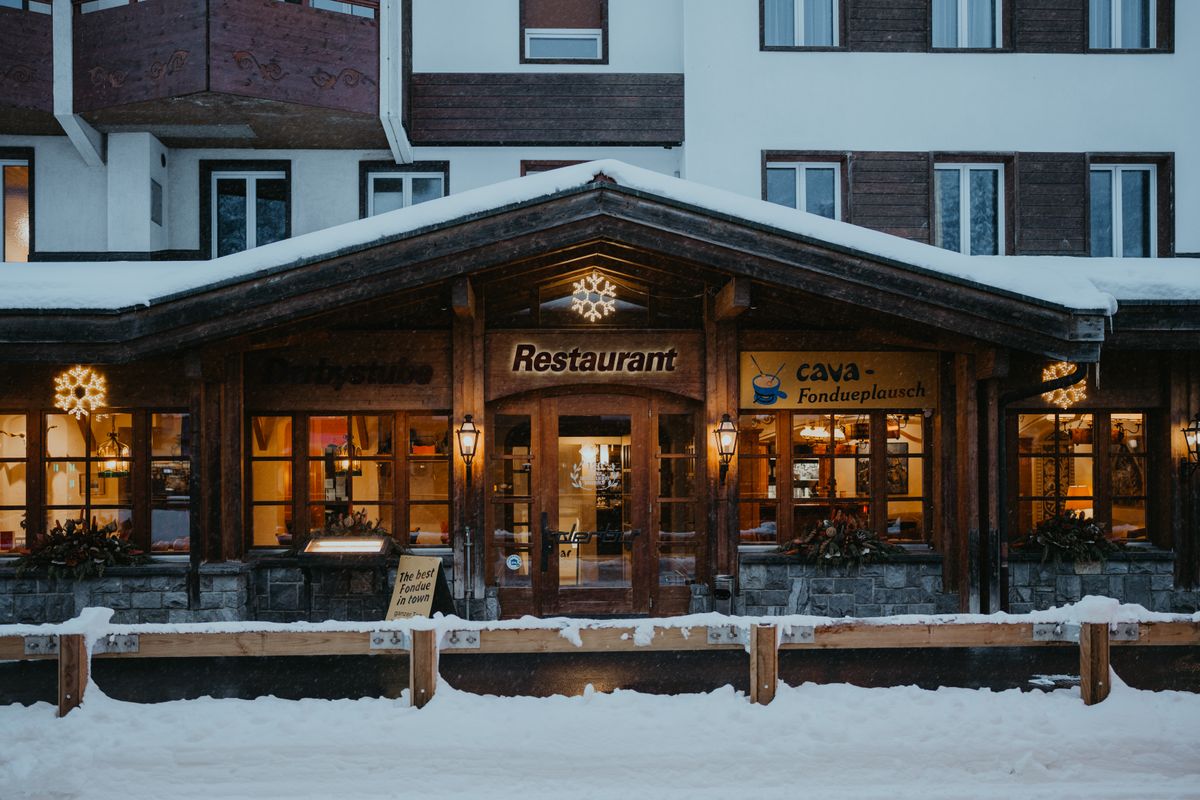
Photo: Pexels · Pexels License. Illustrative photograph of the subject; not a tested result, current condition report or endorsement. Display may crop the original.
Define success before counting hours
Choose an achievable aim such as attending an appropriate lesson, learning with the instructor and returning equipment without rushing. Do not measure the day only by the number of lift rides or the ticket's total operating hours. A shorter useful introduction can support the next lesson better than staying until fatigue determines the route home.
Tell the instructor about practical needs
Discuss comfort, communication and the need for breaks as part of planning the lesson. Ask where the group can pause and how concerns should be raised. Do not invent a universal break interval or hide a problem to match other participants. The instructor's actual assessment should guide the learning period rather than a timetable copied from a fitter friend.
Choose a real warm-break location
Use the current base map and staff guidance to identify a place the attendee can actually reach under the lesson plan and admission. Check its operation if the day depends on it. A mountain-restaurant photograph does not prove an accessible route, available table or permission to use a particular lift. Keep a simpler base alternative.
Keep clothing and equipment issues separate
At a break, describe discomfort or an equipment concern to the appropriate instructor or rental professional. Do not use the pause for DIY equipment adjustment or assume an extra layer solves every problem. If someone feels unwell or a concern is urgent, seek the resort's appropriate medical or emergency help. This scheduling guide does not diagnose cold injury or prescribe treatment.
Plan food without another deadline
Choose a practical meal arrangement and check relevant dietary or personal needs through the actual provider. Carry permitted necessities and know who holds them if the group separates. Avoid a reservation that forces a beginner to rush a lesson or improvise a descent. The meal should support the day rather than become a second performance target.
Make the early-finish option concrete
Name where the person who stops will wait, how they contact companions and how they access belongings and return transport. Check rental return requirements and any relevant booking terms. A vague promise to 'meet later' can leave someone tired, cold or without essential items. Make stopping a normal planned choice rather than a failure requiring negotiation.
Protect the final transition
Work backward from equipment hand-in, shuttle departure or the drive home and allow time for changing and organizing belongings. Do not add one optional activity when it removes that margin. Recheck current weather and transport information before leaving. The last useful part of the day may be a calm return and a note for the next lesson, not another lift ride.
A worked plan you can adapt
A beginner joins a lesson while two more experienced companions plan a longer day. Before separating, they agree on a base meeting point, who carries essential belongings and how the beginner can finish earlier. The instructor knows that the attendee wants a manageable introduction and is asked how to raise a comfort concern. Lunch is a flexible practical stop rather than a reservation requiring an unfamiliar descent. The return plan leaves time for equipment hand-in and the shuttle, so the beginner does not need one final activity to prove the ticket was worthwhile. This invented schedule offers no health diagnosis or fixed break prescription. It turns rest and stopping into ordinary decisions that protect the whole visit.
Your working checklist
Checkmarks stay in this browser when storage is available. They do not submit information or complete a purchase.
Put it into practice
- Choose a modest learning goal with the instructor rather than trying to use every possible operating hour.
- Discuss break and communication needs before the lesson and agree how to raise a concern during it.
- Identify a real reachable warm-break location and check its current operation and a simpler base alternative.
- Take discomfort or equipment concerns to the appropriate professional, using medical or emergency help when required.
- Keep a practical meal and essential belongings accessible without creating an inflexible route or reservation deadline.
- Confirm the early-finish waiting point, contact, rental return and transport so stopping is a normal workable choice.
- Leave enough time for the final change, equipment hand-in and return journey, recording useful questions for the next lesson.
Before you finish
- The instructor or appropriate resort staff have answered any essential activity or route question.
- An alternative at the base or an earlier finish is practical rather than merely mentioned.
- Equipment concerns remain with qualified rental staff and no DIY settings are suggested.
- The final meeting, equipment return and transport plan are understood by everyone affected.
Common questions
Should a beginner stay until the lifts close?
Not as a universal goal. Use the instructor's assessment, personal comfort and return requirements. An earlier useful finish can be the appropriate result.
Is there one correct break interval?
No single schedule suits every person or lesson. Discuss practical needs and raise concerns with the instructor rather than treating an invented timetable as a rule.
Can I assume a restaurant on the map is easy to reach?
No. Confirm the actual route, operating arrangement and suitability under the lesson plan. Keep a simpler base option.
What makes an early finish workable?
A named waiting point, access to belongings, a contact method, equipment return and transport. Agree those details before the group separates.