A Ski-Lodge Meeting and Food Plan for a Mixed-Ability Group
A mixed-ability group does not need to ski the same terrain all day to share a good holiday. It needs a meeting place that every person can reach without exceeding their ability or missing a lesson handoff. This original lodge-and-food planning method uses current resort and venue information. It does not recommend unvisited restaurants, guarantee opening hours or teach a route down the mountain. Ask staff and instructors about the actual access.
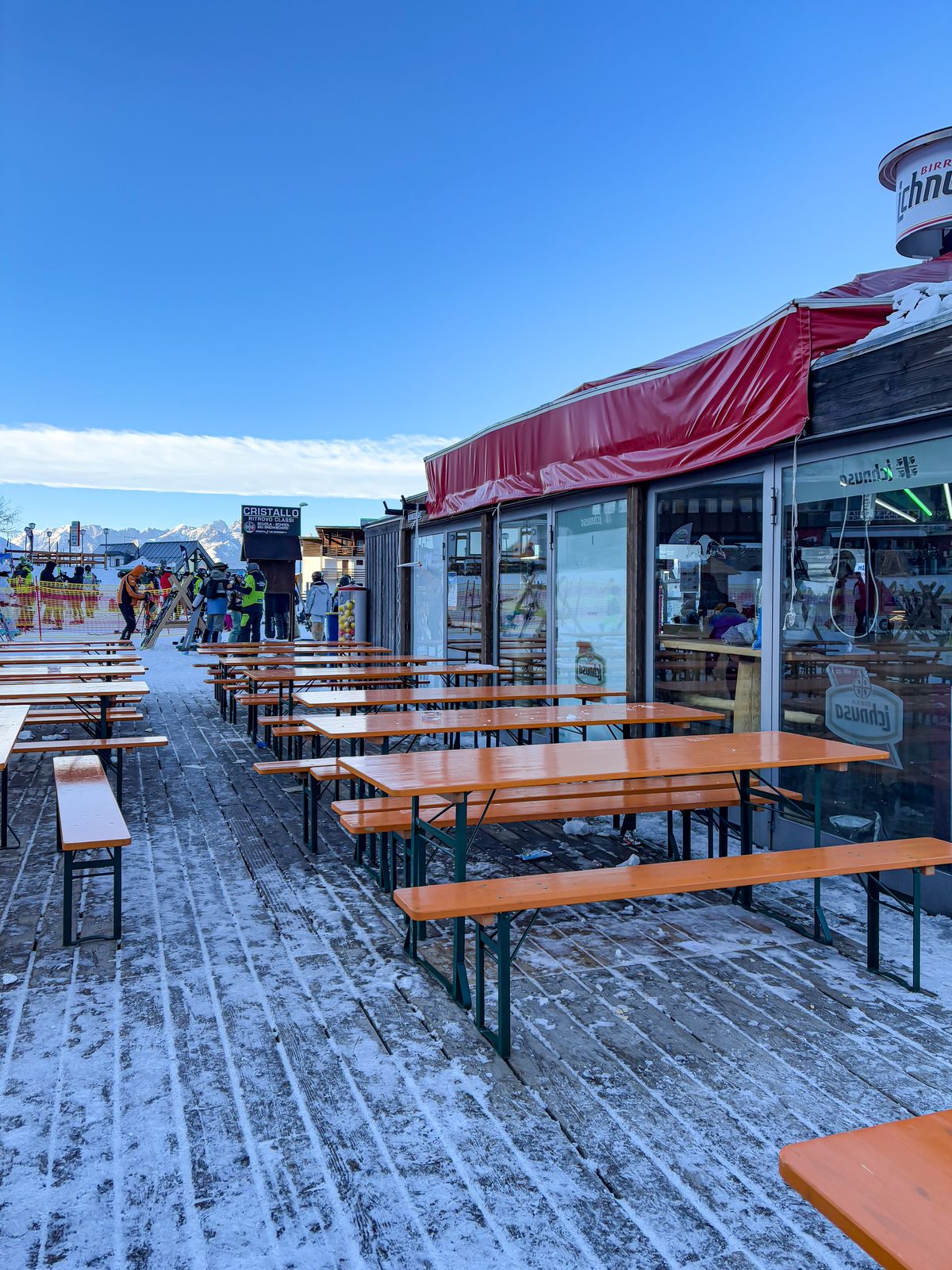
Photo: Pexels · Pexels License. Illustrative photograph of the subject; not a tested result, current condition report or endorsement. Display may crop the original.
Map the group by ability and responsibilities
List beginners in lessons, independent skiers, non-skiers and adults responsible for children. Record lesson start, finish and pickup rules separately from the lunch idea. Do not assume the strongest skier can escort everyone to a high mountain restaurant. Each person needs an appropriate way to arrive and leave. A base-area meeting may be less dramatic than a summit venue but can provide a much better shared meal.
Choose access before choosing the menu
Use the current resort map and ask the venue or guest-services team how each group member reaches it. Check whether non-skiers can use the relevant transport, whether a ticket is required and whether return travel is available. Do not infer pedestrian access from a restaurant photograph. If reaching the venue requires terrain beyond a beginner's current assessment, choose another location rather than turning lunch into an unwanted skill test.
Keep lessons and child pickup authoritative
Confirm with the ski school who collects a child or beginner and where. A restaurant reservation does not override the school's process. Leave time to return equipment if needed, remove layers and reach the meal without rushing. For an illustrative group plan, have the lesson participants meet at the confirmed base pickup first, then go together to the chosen venue. The sequence is a planning example, not a universal ski-school policy.
Read the venue's current service details
Check opening dates, service periods, reservations, group size, payment and whether the menu shown is current. A mountain dining directory can identify venues, but the actual restaurant must confirm your date. Ask about essential dietary needs directly and avoid assuming a buffet or large menu answers an allergy question. Keep a simpler backup nearby. Do not build the whole day around a restaurant whose operating calendar is still provisional.
Set a precise meeting point and window
Use a named entrance, indoor reception point or other clear permitted landmark rather than 'the lodge.' Share a screenshot and a plain-language description. Agree a realistic meeting window that allows people to finish their appropriate activity without rushing. Choose where the first arrivals can wait without blocking doors or queues. Keep phones accessible only when stationary in a suitable place; nobody needs to answer a group message while skiing or on a moving lift.
Write a missed-meeting response
Agree who contacts whom, how long the group waits and which venue staff or resort contact can help with ordinary coordination. Distinguish a simple late arrival from an actual emergency, which belongs with resort emergency procedures. Do not send beginners onto unfamiliar terrain to search for a missing companion. Keep children with the responsible adult and follow the ski school's handoff rules. A clear fallback prevents several people from starting competing searches.
Make the afternoon independent again
After eating, let groups choose suitable lessons, terrain or non-ski activities based on current staff and instructor guidance. Agree on a second base meeting for rentals or transport rather than assuming everyone will return together. A beginner may finish earlier, while an experienced skier may continue within their own appropriate plan. Do not use the shared meal as pressure to join a more demanding afternoon. Mixed ability works when participation remains a choice.
Protect the final collection chain
Check rental return, locker, shuttle and parking arrangements before the last descent or activity. Keep the final meal or drink compatible with the required return and responsible behavior. Save the venue and resort contacts in the shared plan. A good group day is one in which everyone can reach food, warmth and the way home without relying on the strongest member's route. The meal is a meeting of people, not a test of whether everyone can ski together.
Your working checklist
Checkmarks stay in this browser when storage is available. They do not submit information or complete a purchase.
Put it into practice
- List abilities, non-skiers and child responsibilities.
- Choose a venue every person can reach appropriately.
- Confirm lesson finish and pickup arrangements.
- Check the restaurant’s actual date, menu and reservations.
- Share a precise meeting point and realistic window.
- Agree on a missed-meeting response without searching unfamiliar terrain.
- Set independent afternoon choices and a final base collection plan.
Before you finish
- No beginner must use unsuitable terrain to reach lunch.
- Pedestrian and return access are verified.
- Dietary requirements are asked directly.
- Child pickup remains governed by the ski school’s process.
Common questions
Should everyone ski together before lunch?
Not necessarily. Different lessons and appropriate terrain can lead to a shared base-area meal. The group should not use the strongest member's ability as the route standard for everyone.
Can non-skiers reach every mountain restaurant?
No. Verify the actual venue, transport, ticket and return arrangements. A dining photograph or map pin does not establish pedestrian access on your date.
What if someone is late?
Use the agreed contact and waiting plan. Do not send beginners onto unfamiliar terrain to search. Treat a suspected emergency through the resort's emergency process rather than an ordinary restaurant coordination message.
Must everyone do the same afternoon activity?
No. Agree suitable independent plans and a clear final base meeting. A shared holiday can include different ability groups without making anyone exceed their comfort or instructor's assessment.