Your First Resort Ski Day: A Practical Arrival-to-Return Plan
A successful first ski day starts before you step onto snow. The useful goal is a manageable lesson, equipment checked by the rental team and a clear way back to the base area. This guide is an original planning framework for a staffed, operating resort. It does not teach skiing technique or promise a particular level by the afternoon. Use your instructor's assessment, resort instructions and current conditions to decide what happens next.
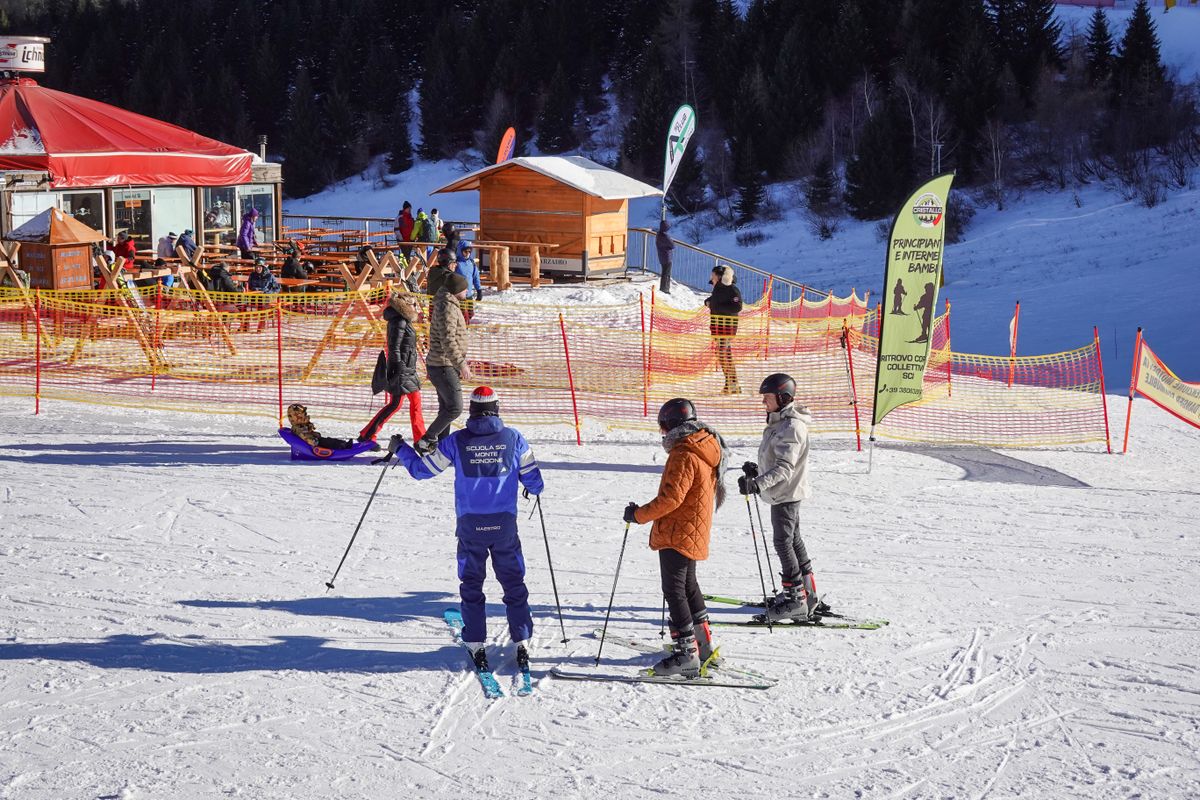
Photo: Pexels · Pexels License. Illustrative photograph of the subject; not a tested result, current condition report or endorsement. Display may crop the original.
Book the learning day as one connected appointment
Start with the ski school rather than buying a lift ticket in isolation. Tell the booking team that you have never skied, whether you are joining alone and anything relevant to lesson access or communication. Ask which lesson, equipment and beginner lift access are included together. A package name is not enough: write down the exact start location, check-in deadline, rental collection process and what happens if weather changes the program.
Make a route from transport to the lesson flag
Open the resort's current base map and locate parking or the shuttle stop, ticket collection, rentals, toilets and the ski school meeting point. A ten-minute drive from a hotel says little about the walk in boots. Ask whether a shuttle changes bases and whether rentals are on the same side of the resort as your class. Save a screenshot of the final route and the ski school's telephone number for use when reception is poor.
Allow the rental appointment to finish properly
Arrive at the time recommended by the school and shop. Treat fitting as an appointment, not a rushed pickup on the way to class. Give staff accurate information requested on their form and describe yourself as a first-time skier. Tell the fitter about pressure, numbness or movement in the boots before leaving. Ask staff to demonstrate the equipment and explain how to request a refit. Never change binding settings to solve a discomfort problem.
Separate your lodge bag from what you carry outside
Keep dry change clothes, ordinary shoes and travel items in the permitted lodge storage or locker. Carry only the small essentials you can manage securely during the lesson, following the school's instructions. Bulky bags complicate movement and lift use. Check where the locker key or access code will go, and keep a way to pay for food without making every pocket a storage compartment. Avoid dangling straps, loose accessories and valuables you do not need.
Use the lesson to establish a return route
Before leaving the meeting area, ask how the class will return, where a warm break happens and who to contact if you become separated. Your instructor determines suitable terrain and introduces lift use when appropriate. A friend skiing an easy-looking trail does not establish that the same route suits a first-timer. At the end, ask the instructor to identify a specific next step: more supervised practice, another lesson or a return to the lodge.
Choose a break before fatigue chooses it for you
Put a warm indoor pause into the plan even if the weather looks pleasant. Identify the nearest permitted food area and a meeting time that does not require someone to hurry down a slope. Bring food suitable for your own needs or check the venue's options. Discomfort, reduced attention and deteriorating conditions are reasons to stop and ask for help. There is no requirement to use every minute of a lift ticket.
Keep an afternoon option that can get smaller
An illustrative schedule might be morning rentals and a lesson, lunch at the teaching base and an afternoon decision made after speaking with the instructor. If practice is appropriate, keep it in the area they recommend and agree a finish time before lifts close. The alternative can be returning equipment early and enjoying the village. Avoid a last-minute lift ride without understanding the route, closing times and your ability to get down.
Close the rental and travel loop
Check the return deadline, the correct shop and whether skis, boots, poles and helmet are returned together. Keep your receipt until staff confirm the return process is complete. Change into ordinary shoes before the journey home and leave time for the shuttle queue. Make one brief note about what worked, what did not fit and what to ask next time. That record is more useful than measuring your day against another person's progress.
Your working checklist
Checkmarks stay in this browser when storage is available. They do not submit information or complete a purchase.
Put it into practice
- Call or message the ski school with your actual beginner level and confirm the full package contents.
- Trace transport, rental collection and lesson check-in on the same base-area map.
- Fit the equipment with staff and report discomfort before leaving the shop.
- Ask the instructor about terrain, lift use and the route back before independent decisions.
- Take a warm break and reassess the afternoon using current conditions and instructor feedback.
- Return all hired items through the agreed process and save a short next-lesson note.
Before you finish
- Do not buy access that the lesson does not require without checking first.
- No unsupervised jump from the learning area to a friend's preferred run.
- Keep enough time for return queues and the journey home.
Common questions
Do I need a full-mountain ticket?
Ask the school which access is required for your exact lesson. Some beginner products have limited areas or bundles, and product names vary. Buying the largest ticket first can add cost without helping the first lesson.
Can a friend replace the instructor?
A willing friend may help with transport and company, but this planning guide assumes professional instruction. Arrange a qualified lesson and let the instructor assess terrain and next steps.
What if I arrive late?
Contact the school before trying to catch a moving class. Follow its late-arrival instructions and ask about the remaining options; do not assume the instructor can delay everyone.
Is stopping after lunch a wasted ticket?
No. The useful outcome is a manageable learning experience. If you are uncomfortable or conditions deteriorate, ending early can be the appropriate decision. Check cancellation terms before booking rather than relying on a refund.