Rental Ski Boots: A Better Fit Conversation at the Shop
Ski rental boots should be fitted through a conversation, not selected like everyday shoes from a shelf. You supply accurate information and clear descriptions; the rental professional selects and checks the equipment. This guide helps you describe what you feel, record a problem and return for assistance. It cannot establish correct fit remotely, interpret persistent symptoms or prescribe shell modifications. Leave equipment and binding adjustments to the responsible shop.
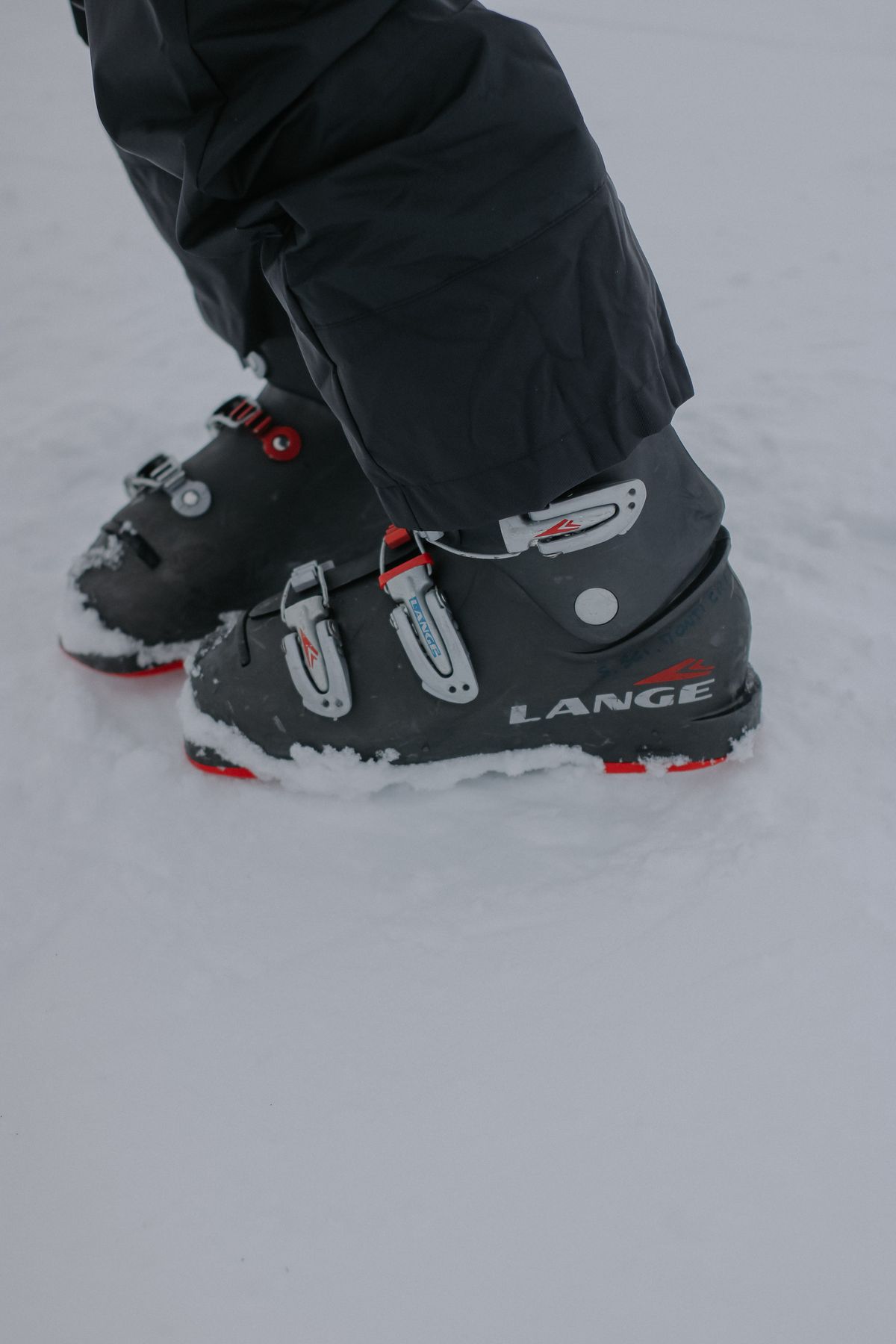
Photo: Pexels · Pexels License. Illustrative photograph of the subject; not a tested result, current condition report or endorsement. Display may crop the original.
Book enough time for a real fitting
Ask the rental shop how long a first-time appointment normally takes and whether it must be completed before ski-school check-in. The useful time is not just the moment a boot goes on: you also need to understand closures, try the pair as directed and discuss any problem. If the only available collection slot leaves no buffer, change the lesson or collection arrangement instead of planning to rush through fitting.
Give the fitter information rather than a preferred number
Complete the rental form honestly, including ability and the measurements staff request. Explain any prior footwear problem that affects the fitting conversation without trying to choose a technical specification yourself. Ordinary shoe size can be a starting point for a conversation, but it does not prove a ski boot fits. Let the fitter explain their assessment, and ask what they want you to do while checking the boot.
Bring the socks you will actually wear
Use the same appropriate ski socks for fitting and skiing. Ask the shop about suitable thickness and avoid creating a different setup by adding an extra pair later. Smooth out wrinkles and keep clothing positioned as the fitter directs, rather than stuffing bulky cuffs into the boot. If you change something between the shop and lesson, tell the fitter before deciding the equipment itself has changed.
Describe where, when and how the problem appears
Use concrete observations: left or right foot, toes or heel, a pressure point near one buckle, or a feeling that changes after the fitter's instructed stance check. Say whether the issue begins immediately or after several minutes. Do not turn a sensation into a diagnosis. 'My right heel moves when I do the movement you showed me' gives staff more useful information than 'these boots are wrong' or 'I need the next size.'
Learn the permitted closure routine in the shop
Ask staff to demonstrate how to open and close the boot and how they want you to use its ordinary closures. Repeat the process in front of them so a misunderstanding is corrected before you reach the snow. This does not authorize altering the shell, changing unfamiliar mechanisms or modifying binding settings. If a closure becomes difficult or something appears damaged, bring it to the shop rather than forcing it with another tool.
Make the instructor part of the communication loop
At lesson check-in, tell the instructor if something remains unresolved. They may direct you back to the shop or help explain an observation to the rental team. Do not hide discomfort to avoid slowing a group down. Ask the school what the procedure is if a refit overlaps with the class. A short, honest conversation before movement is more useful than completing a session with an unreported equipment problem.
Know the refit route before leaving the base
Save the shop location, contact details and the rental record. Ask whether exchanges must happen at the same branch and whether the rental team needs to recheck the ski-and-boot combination after a change. Do not swap boots with a friend, even if the printed sizes appear similar. If a problem develops during the day, follow staff directions for stopping and returning; a larger or tighter setting is not an automatic solution.
Record a useful note for next time
After the return, record the shop, date, boot identification if available and the exact feedback you gave. Note whether staff changed anything and whether the issue was resolved. Keep this as a conversation starter for another rental, not a prescription that another shop must copy. If pain or other symptoms continue after removing equipment, seek appropriate professional care rather than treating a rental notebook as a medical assessment.
Your working checklist
Checkmarks stay in this browser when storage is available. They do not submit information or complete a purchase.
Put it into practice
- Reserve a fitting slot that leaves time before the lesson.
- Describe your experience level and answer the fitter's questions accurately.
- Try the setup using the shop's instructions and report specific observations.
- Repeat the opening and closure routine while staff can check your understanding.
- Confirm where to return if discomfort or equipment concerns develop.
- Record the experience after the trip without treating the model or size as a future prescription.
Before you finish
- Do not add socks to compensate for unresolved movement.
- Do not exchange fitted boots between people or adjust bindings yourself.
- Report pain or numbness promptly instead of skiing through it.
Common questions
Should ski boots feel like walking shoes?
They are a different type of equipment. Ask the fitter to explain the fit they are assessing rather than applying an everyday-shoe test or relying on a remote description.
Can I request the same size a friend wears?
Tell staff your own information and have your own fitting. Another person's size and preferences do not establish your fit or the correct equipment combination.
What should I say if the shop is busy?
State the problem clearly and ask for a refit: identify the foot, location and when it happens. If that threatens lesson timing, contact the school as well; do not simply leave with an unresolved issue.
Can an instructor change my binding?
Use the responsible rental professional and their procedures for equipment changes. An instructor can help identify that you need shop assistance, but do not assume every staff member is authorized to alter equipment.