Prepare for a Ski Rental Appointment Without Guessing Equipment Settings
A ski rental reservation is a service appointment, not a menu of technical settings to copy from the internet. Your role is to describe the participants accurately, arrive prepared and understand the shop's handover and return process. The professional rental team selects and checks the equipment under its procedures. This guide covers the practical workflow and records; it gives no binding-setting numbers, mounting instructions or remote equipment compatibility assessment.
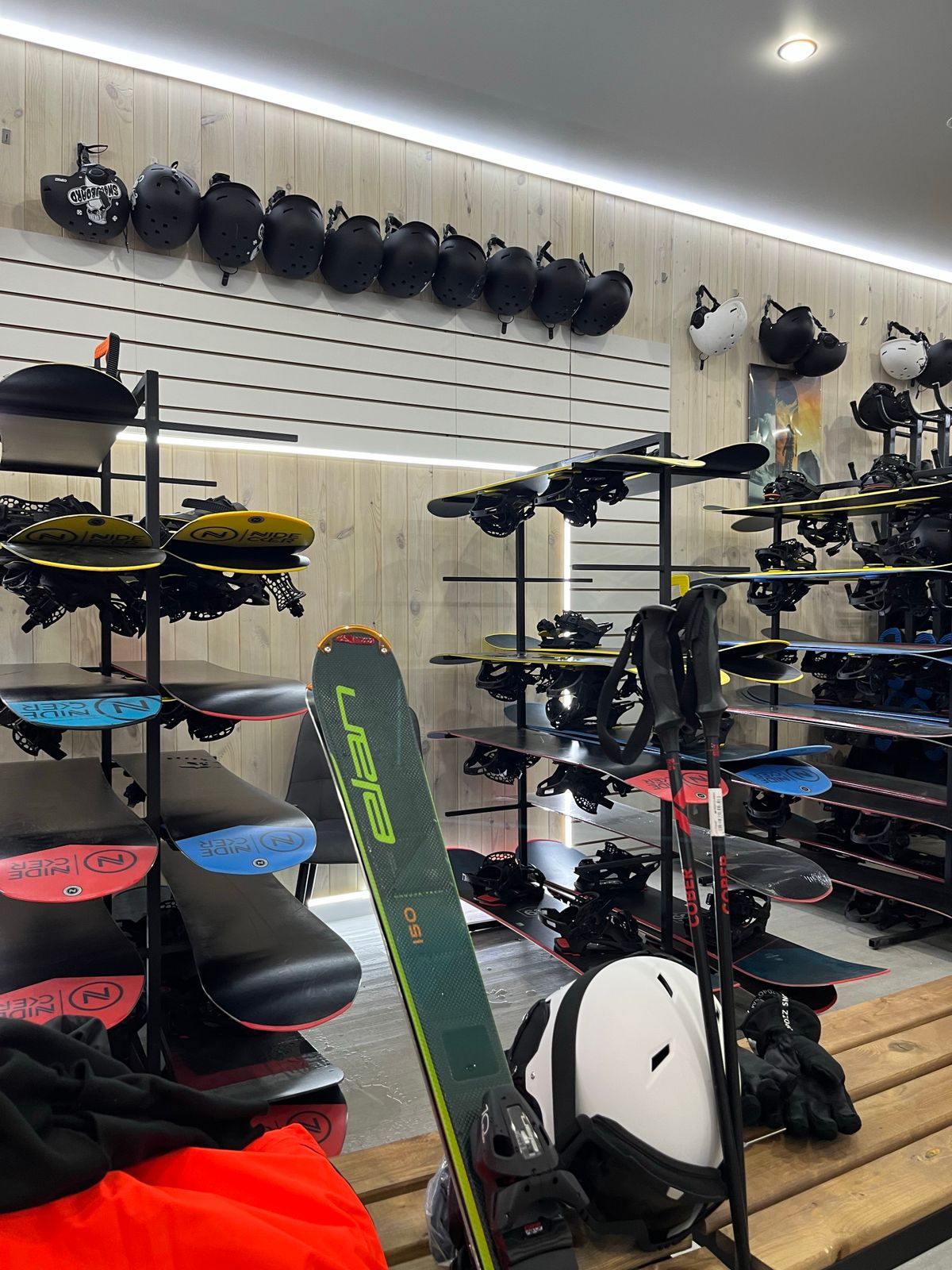
Photo: Pexels · Pexels License. Illustrative photograph of the subject; not a tested result, current condition report or endorsement. Display may crop the original.
Reserve for the participants who will actually ski
Check the intended date, number of ski days and collection branch. Enter the requested participant information accurately and describe experience honestly. If a child is joining, use the product and age process the provider requires instead of booking an adult package because the price looks simpler. Ask which equipment is included and whether the helmet, poles and any lesson-related access are separate items.
Coordinate the appointment with ski school
Tell the shop your lesson check-in time and ask for a collection slot that allows fitting and travel between buildings. A reservation does not necessarily remove every queue or fitting step. Check whether collection the previous day is available and what that means for storage, hire duration and cost. If the rental shop and school are different operators, save both confirmations and ensure neither assumes the other is arranging the appointment.
Bring the information and clothing the shop requests
Review the confirmation for identification, payment and fitting requirements before departure. Bring the actual appropriate socks you will wear and provide requested measurements through the shop's process. Do not substitute estimates from another family member when a field affects equipment selection. If information changes, tell staff. Keep private identification in your own booking records rather than copying it into a public or shared trip worksheet.
Make the handover a demonstration
Ask staff to identify your assigned items and explain ordinary use, carrying and return procedures. Check what to do if equipment seems damaged or something becomes difficult to operate. If you do not understand an instruction, ask staff to demonstrate again while they can observe your response. Do not turn this into a request for do-it-yourself adjustment numbers; the point is to know when and where to get assistance.
Keep the ski and boot combination with the right person
Record which rental belongs to each participant without adding stickers or marks the shop has not authorized. Do not swap items because another person's color or fit looks preferable. If equipment is exchanged, tell the responsible shop about the full combination and let it perform any required checks. Matching printed sizes alone does not establish that different boots, skis and bindings can be substituted.
Ask about damage, loss and optional products
Read the rental terms for deposits, damage, missing items and return deadlines. If an optional waiver or coverage product is offered, ask what it includes, excludes and costs; do not assume it is identical to insurance or removes every liability. Keep the written terms with the receipt. Compare the total amount due for the actual hire period rather than treating a headline daily rate as the complete cost.
Use the shop when something changes
If discomfort, unexpected movement or a visible equipment concern develops, stop and follow the provider's assistance procedure. Ask an instructor or resort employee for help getting to the appropriate service point when needed. Do not tighten an unfamiliar mechanism, change a binding or borrow another pair to keep the schedule moving. Tell the ski school when an exchange affects attendance so the practical problem is handled openly.
Close the rental with an item count
Before return, gather skis, boots, poles, helmet and any other hired items according to the confirmation. Check the return location, opening hours and whether the provider requires direct handover or another documented process. Retain the receipt and any final confirmation until the account is settled. Make a short note about fit and service questions for the next reservation, without treating a previous rental specification as a permanent prescription.
Your working checklist
Checkmarks stay in this browser when storage is available. They do not submit information or complete a purchase.
Put it into practice
- Compare the full package and reserve for the actual participants.
- Place fitting before lesson check-in with the shop's recommended buffer.
- Complete the provider's information process truthfully and privately.
- Ask for a demonstration and identify which items belong to each person.
- Keep technical checks and exchanges with the responsible rental shop.
- Return every item through the agreed process and retain the final record.
Before you finish
- No binding calculations or DIY settings from online advice.
- No unsupervised exchanges between friends or family.
- Do not assume optional coverage includes every type of damage or loss.
Common questions
Can I use a friend's skis instead?
Have an appropriate professional assess the equipment and its compatibility with you and your boots. This guide cannot establish suitability from a photograph, size or another person's successful use.
Does a reservation mean the equipment is ready to wear?
There can still be fitting, information and checking steps. Ask what the appointment requires and leave enough time before the lesson.
What if I need to change boots during the day?
Use the rental shop's exchange procedure and have the complete combination checked as required. Do not treat a boot exchange as independent from the rest of the fitted equipment.
Should I buy the cheapest package?
Compare suitable equipment service, collection logistics, inclusions and terms as well as price. A cheaper quote can become less useful if it creates an impractical transfer or excludes necessary items.