Plan a Three-Day Ski Weekend With Space for Rest and Weather
Three calendar days do not have to mean three full days on skis. For a beginner, a better weekend might use arrival time for fitting and orientation, one main lesson day and a final day chosen after feedback and current weather. The framework below is an original planning example, not a package itinerary or a promise that every resort offers the same services. Verify each reservation and keep the final travel connection realistic.
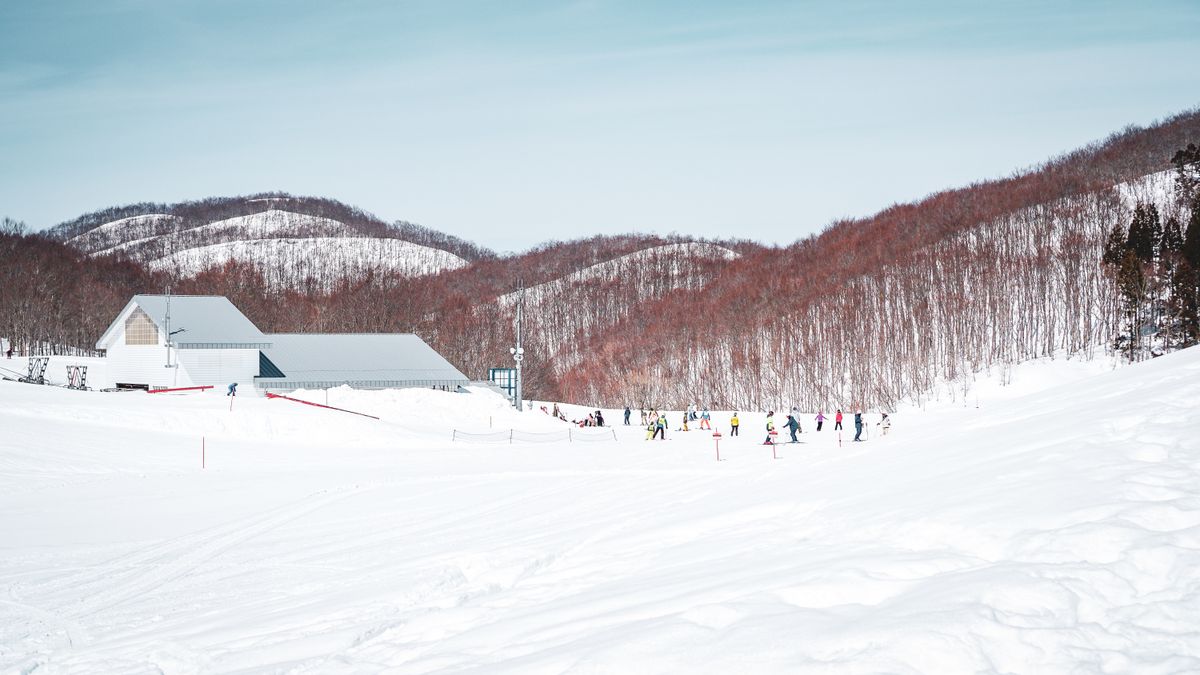
Photo: Pexels · Pexels License. Illustrative photograph of the subject; not a tested result, current condition report or endorsement. Display may crop the original.
Define the weekend by its fixed constraints
Write the actual arrival and departure times, the number of people, the intended lesson level and the commitments that cannot move. A Friday evening arrival and Sunday afternoon flight create a different weekend from three nights near the resort. Identify the one activity that matters most, usually the first lesson, and arrange the remaining decisions around being ready for it rather than filling every gap with another paid booking.
Use arrival day to remove uncertainty
If the shop offers previous-day collection, check its terms and whether you can reach it before closing. Otherwise, locate the rental and lesson buildings and confirm the next morning's process. Find permitted storage, the shuttle stop and a place for a simple meal. Avoid assuming you can complete a fitting after a delayed flight. Keep the arrival evening's optional activities easy to abandon if transport takes longer than expected.
Give the main lesson day enough space
An illustrative middle day starts with the provider's recommended rental or check-in buffer, continues with the booked lesson and includes a warm meal break at the correct base. Keep the period after the lesson flexible until the instructor provides feedback. Do not buy an elaborate afternoon plan merely to make the day look full. A fitting exchange or an earlier finish should fit without breaking every later reservation.
Make the final ski session conditional
Before the last day, ask what activity is appropriate after the first lesson and check the current operating information. Confirm whether another lesson has space and what the access product requires. If the return journey is tight, a shorter base-area morning or a non-skiing departure may be more practical. Do not let an expensive ticket create pressure to use a distant lift before an airport transfer.
Compare the complete weekend budget
List transport, lodging, teaching, lift access, equipment, clothing, food, parking, lockers and any required booking charges. Keep quoted amounts separate from estimates and include a contingency you can afford without treating it as a target to spend. Record who pays and which items are refundable or changeable. A cheap room far from the teaching base may raise transport costs or force a much earlier start.
Build a weather decision for each booking
Read the accommodation, lesson, rental and transfer policies separately. One service changing its schedule does not automatically change the others. Save the official conditions and weather links, then decide when to review them before departure. Your backup may be moving the lesson when permitted, shortening the trip or using a village-based day. Do not replace a closed ski area with another outdoor activity whose conditions have not been checked.
Pack for a sequence of wet and dry periods
Separate on-snow clothing from ordinary travel clothes and keep the dry return set protected. Ask the lodging about permitted drying arrangements instead of putting wet equipment near unsuitable heat sources. Label shared bags and assign responsibility for rented items. On the last morning, check out, luggage storage, rental returns and the transfer pickup as one connected sequence so the room key deadline does not become a surprise.
Set a hard turnaround before the travel deadline
Work backward from the return departure using the actual transfer provider's instructions and current road or weather information. Allow time to reach the right base, return equipment, change clothes and collect luggage. Write an earlier finish than the latest lift operation. If conditions or transport become uncertain, speak to the relevant providers and reduce the ski plan; do not solve a travel delay by rushing on the slope.
Your working checklist
Checkmarks stay in this browser when storage is available. They do not submit information or complete a purchase.
Put it into practice
- Put fixed travel times and the main lesson on one timeline.
- Use arrival day for the fitting or orientation the provider actually offers.
- Keep the main teaching day free of unnecessary later commitments.
- Choose the final activity only after feedback and current conditions.
- Check each supplier's change policy and maintain a realistic alternative.
- Finish early enough to return equipment, change and make the confirmed transfer.
Before you finish
- Three calendar days do not guarantee three useful ski days.
- Do not make a tight flight connection depend on a final lift ride.
- Check checkout, storage and rental returns together.
Common questions
Should I buy a three-day pass immediately?
Compare it with the access needed for the actual lessons and planned sessions. Ask about beginner products and terms before buying days you may not use.
Can I ski on arrival day?
Only if travel, fitting, access and instruction make it practical. A late or uncertain arrival is a poor foundation for a non-changeable lesson.
What if the second day is closed?
Contact the providers and use the terms attached to each booking. A closure does not establish an automatic refund for unrelated accommodation or transport.
Is a rest morning reasonable on a short trip?
Yes. The plan should respond to comfort, instruction and conditions. Time spent warming up, returning equipment properly or traveling calmly can be a useful part of the weekend.