How to Choose a Beginner Ski Resort Beyond the Trail Count
A mountain with hundreds of runs is not automatically the easiest place to have a first ski lesson. Beginners need a suitable teaching program, manageable equipment logistics and a clear base-area plan. This guide helps compare resorts using questions you can verify with each operator. It does not certify terrain as suitable for you, predict snow conditions or treat trail colors as equivalent across mountains or countries.
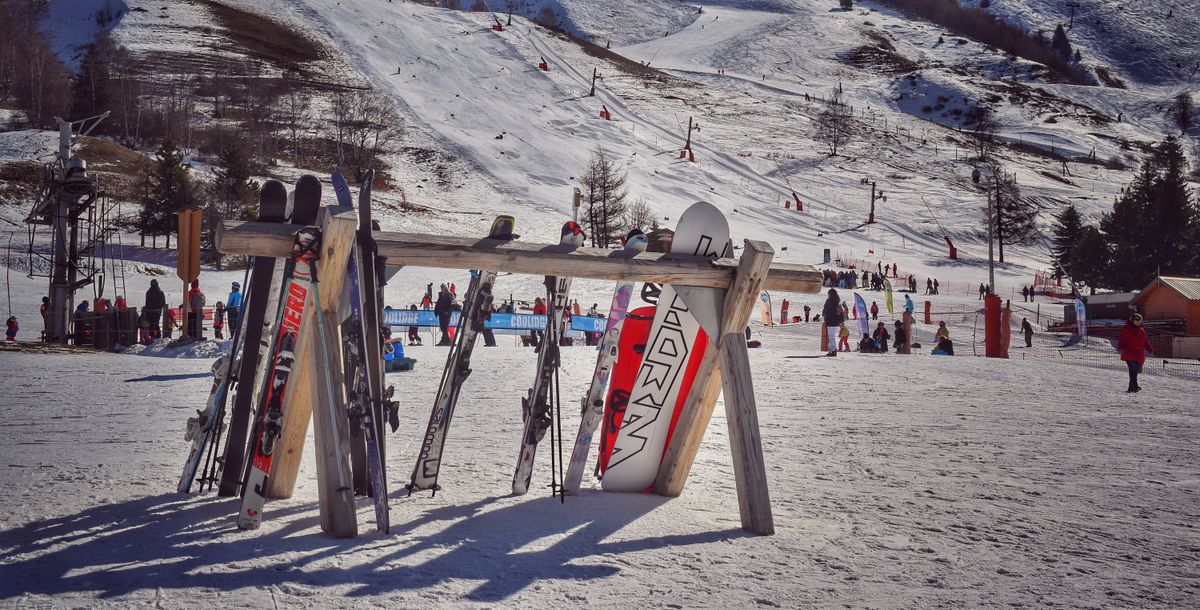
Photo: Pexels · Pexels License. Illustrative photograph of the subject; not a tested result, current condition report or endorsement. Display may crop the original.
Start with the lesson you can actually book
Choose the trip date and check whether the resort offers a genuine first-time adult or child program for your group. Availability matters more than a general statement that a resort welcomes beginners. Confirm the teaching language, age bands, meeting time and booking deadline. Ask what happens when the learning area cannot operate. A school with an appropriate available session is a more useful starting point than an attractive photograph of the summit.
Map the beginner journey in detail
Locate the arrival point, rental shop, lesson flag, toilets, indoor break space and return transport. Ask whether the learning zone is at the base or reached by another lift, and how beginners return at the end. Use the resort's actual map and staff explanation rather than estimating from a scenic overview. A short route with fewer transfers may make the first day easier to organize even at a smaller mountain.
Treat terrain labels as local information
Read the operator's map legend and its explanation of trail ratings. Colors and symbols vary between countries, and ratings do not create identical gradients or conditions across resorts. Ask the ski school what terrain the booked lesson normally uses and let the instructor assess your next step. A high percentage of nominally easy runs says little about the specific route from a lift back to your accommodation.
Check the access product before comparing price
Some resorts offer learning-area or lesson bundles; others separate services. Ask which ticket is needed for your exact booking and whether the product has area, time or date limits. Compare teaching, access, equipment and required extras as one total. Do not buy a full-mountain product merely because the website promotes it prominently. Keep unknown inclusions visible until staff confirm them, especially when several booking systems are involved.
Price the overnight location as part of the day
A less expensive room can add transport, parking and an early departure that complicates lesson arrival. Check the actual winter shuttle route and operating hours, not just distance on a road map. Ask where luggage goes before check-in or after checkout if your lesson falls on a travel day. Compare an accommodation quote with its last-mile journey so the true trade-off is clear.
Build a weather alternative before committing
Review the resort's current operating information and the forecast as departure approaches. Snowmaking, an impressive annual snowfall statistic or a high elevation is not a promise that your teaching area will open on your date. Read the lesson, rental and accommodation change policies separately. Choose an alternative that your group can realistically enjoy, such as a shorter village stay, and avoid booking a replacement activity that requires conditions you have not checked.
Ask about access and non-skiing companions directly
If anyone needs step-free routes, assistance or a non-skiing day, ask the resort about the exact buildings and journeys involved. An accessible hotel does not establish that the rental shop, shuttle and teaching meeting point form a usable route. For spectators, confirm which areas can be reached without ski equipment and which passes or restrictions apply. Record the contact person's answer and recheck when the operational setup changes.
Use a three-resort shortlist with a clear decision
Create a small comparison with lesson availability, total first-day cost, arrival complexity, indoor break options and change terms. Mark a requirement as failed rather than averaging it away with nice scenery. For example, a resort without an appropriate lesson on the only travel date should leave the shortlist. Choose the remaining option whose practical compromises your group accepts, and save the actual confirmations instead of relying on a ranked list.
Your working checklist
Checkmarks stay in this browser when storage is available. They do not submit information or complete a purchase.
Put it into practice
- Find resorts with a suitable first-time lesson on your actual date.
- Trace every beginner journey from arrival to return.
- Ask the school to explain learning access and ticket requirements.
- Compare full costs including accommodation and the last-mile transfer.
- Check current conditions, access needs and a realistic weather alternative.
- Select the resort that meets essential requirements and retain the written confirmations.
Before you finish
- Do not compare beginner suitability using mountain size alone.
- Do not assume one resort's easy trail matches another's.
- Keep operating notices and booking terms linked to the chosen date.
Common questions
Is a smaller resort better for beginners?
It can offer simpler logistics, but size alone is not decisive. Check the available school, learning zone, equipment service and the actual route through your day.
Does ski-in ski-out lodging solve everything?
Verify where the property connects, how a first-timer reaches lessons and how the group returns. A marketing label does not prove every connecting route is appropriate for a beginner.
Should annual snowfall decide the trip?
Use it as background at most. Current operations, weather and the exact teaching-area status matter for your date, and none can be guaranteed by a historical average.
Can I choose by the number of green runs?
Use the resort's legend and ask the school. Trail ratings are local information, and a count does not explain access, conditions or whether a particular run is suitable for your current ability.