Ski Helmet and Goggle Fit: Check the Combination Before Your First Day
A helmet and goggles need to work together on your own head and face. Buying two individually popular products does not establish a suitable combination. This guide prepares a fitting appointment and a short equipment record using the manufacturer's directions. It does not certify protection, assess a damaged helmet remotely or claim that any equipment removes skiing risk. For rented equipment, ask the responsible staff to check the complete setup.
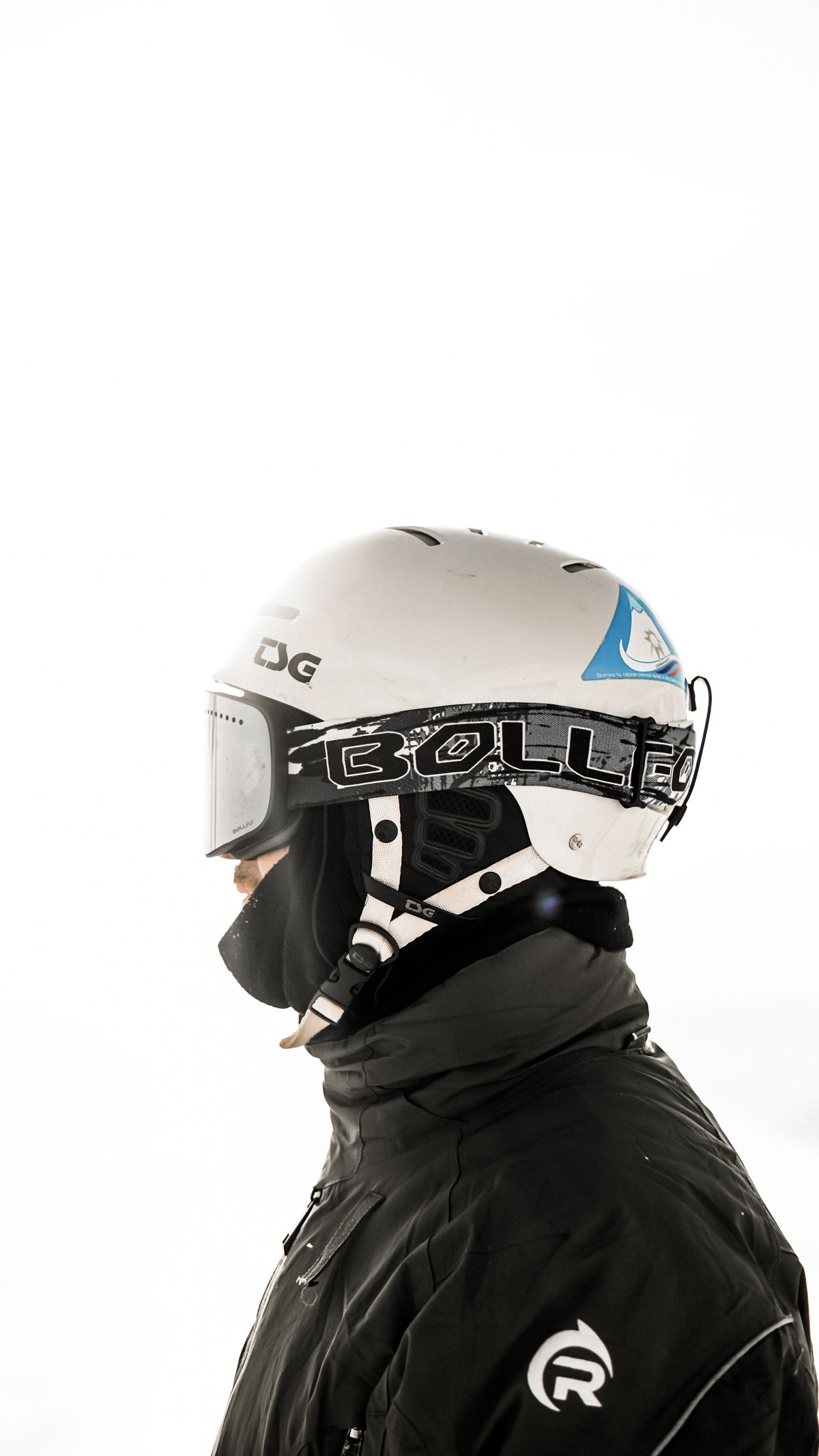
Photo: Pexels · Pexels License. Illustrative photograph of the subject; not a tested result, current condition report or endorsement. Display may crop the original.
Start with the intended activity and current instructions
Use equipment intended for the actual snow activity and read the exact manufacturer's current fit and use information. If renting, ask staff what the fitting process includes and what to do if the setup becomes uncomfortable. Keep the model information with the instructions rather than applying a guide for a superficially similar product. Do not judge suitability by appearance, a social-media recommendation or the presence of an adjustment dial alone.
Have sizing assessed before chasing features
Follow the manufacturer's measurement method as a starting point and ask a suitable retailer or rental fitter to assess the result. Different head shapes and products can fit differently, so a familiar size label is not a complete answer. Describe pressure and movement accurately, and do not solve an unresolved fit by adding bulky padding or headwear. If you are between sizes, try the relevant options with professional assistance.
Bring the goggles to the helmet fitting
Try the actual combination you will use, including any permitted thin layer and your normal prescription eyewear if relevant. Ask staff to check how the pieces meet and whether one pushes the other into an uncomfortable position. Look around and report restricted vision or pressure. Do not assume that matching branding alone guarantees compatibility, or that products from different brands cannot work together; the physical fit needs checking.
Ask about the conditions the lens is intended for
Check the exact lens information with the manufacturer or retailer and explain the conditions in which you expect to ski. A lens suitable for one light situation is not automatically right for another. Avoid choosing by mirror color alone or assuming a new lens can make poor visibility suitable for your ability. Current weather, terrain and staff instructions still govern whether to ski, even with correctly fitted goggles.
Include prescription eyewear in the conversation
Tell the fitter if you wear glasses or use another vision arrangement. Some products are designed to accommodate glasses, but the actual combination still needs checking for comfort and usable vision. Do not force a frame into a space it does not fit or change a vision correction arrangement without appropriate advice. Ask how the manufacturer wants the lenses handled and what to do if fogging or fit becomes a problem.
Practice ordinary adjustments before the lesson
With staff present, repeat the manufacturer-directed adjustment and fastening process until you understand it. Then check that the setup remains comfortable with jacket collars and other clothing in their intended positions. Keep product care simple and follow its instructions; do not use an unfamiliar solvent, abrasive wipe or improvised modification. Put the phone away while fitting so attention stays on how the equipment actually feels and operates.
Treat damage and impacts as a separate issue
Ask the manufacturer or rental provider about inspection, impact and replacement policies for the exact item. A helmet's outward appearance alone does not let this guide establish that it remains suitable after an incident. If equipment is damaged or concerns arise, stop using it and speak with the responsible provider. Do not repair a shell, strap or lens attachment with an improvised fix to finish the day.
Recheck the complete setup when something changes
A different helmet, new goggles, another pair of glasses or added headwear changes the combination you previously assessed. Return to the fit process instead of assuming the old conclusion carries over. Keep a brief note of the items used, questions raised and the provider's response. For rentals, include where to request assistance during the day so you do not have to choose between continuing uncomfortably and guessing an adjustment.
Your working checklist
Checkmarks stay in this browser when storage is available. They do not submit information or complete a purchase.
Put it into practice
- Confirm the intended snow activity and read the correct product directions.
- Have the size and head-shape fit assessed before choosing optional features.
- Try helmet, goggles, clothing and eyewear as one combination.
- Ask about lens purpose without treating equipment as permission for poor conditions.
- Repeat ordinary fastening and care instructions with staff present.
- Recheck after changes and refer damage or impact concerns to the responsible provider.
Before you finish
- No equipment combination eliminates skiing risk.
- Do not add bulky layers after a helmet has been fitted.
- Do not improvise repairs or treat visible appearance as a damage assessment.
Common questions
Must the helmet and goggles be the same brand?
The useful question is whether the actual combination fits and functions as directed. Try both together with a suitable professional instead of relying on the logos alone.
Can I rent a helmet and buy goggles?
Ask the rental provider about its options and bring your goggles to the fitting. Confirm the complete setup rather than buying a lens or frame based only on a photograph.
Will a low-light lens make a storm day fine for beginners?
No lens guarantees appropriate conditions. Use official operating information and staff or instructor guidance, and choose a smaller or non-skiing day when conditions are unsuitable.
Can I keep using a helmet after a fall?
Follow the exact manufacturer's impact and replacement instructions and consult the rental provider when applicable. This guide cannot clear equipment for continued use remotely.